

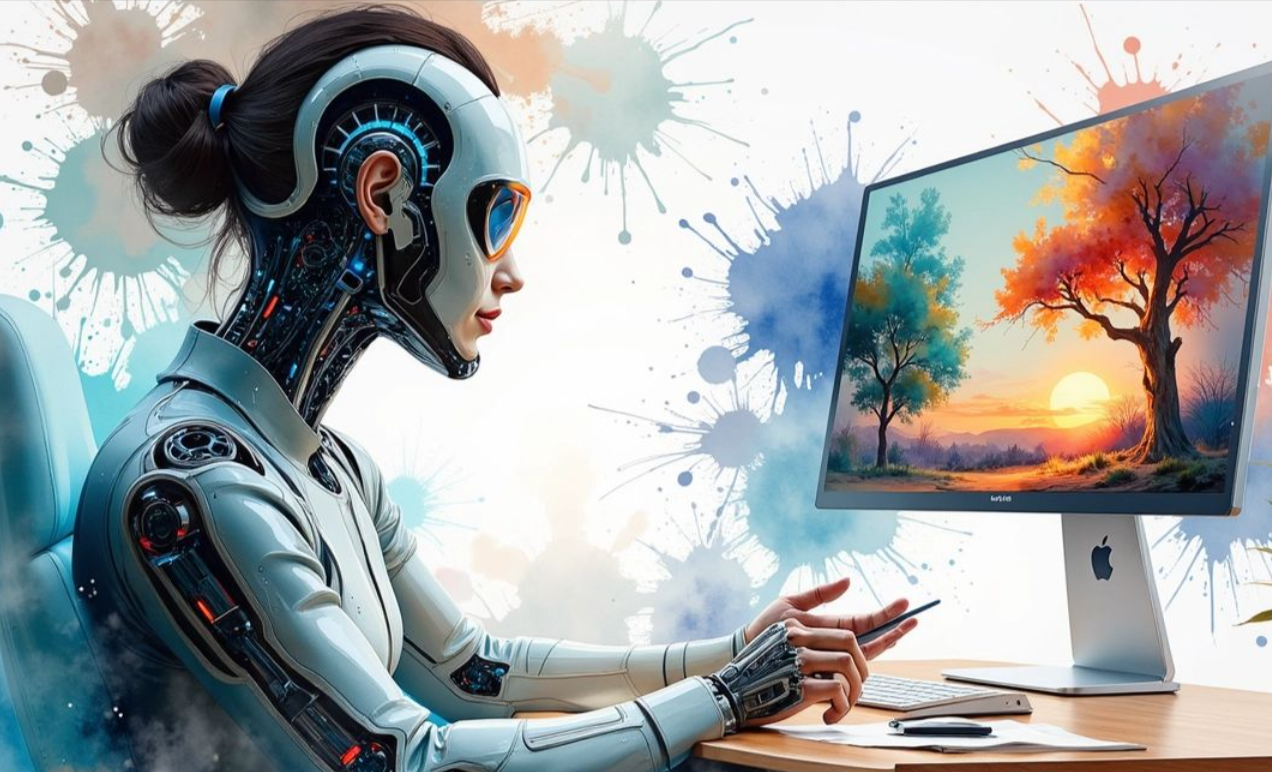
Artificial intelligence is changing the way people create and edit videos online. What once required advanced editing skills, expensive software, and hours of manual work can now be handled more quickly with AI-powered tools. From generating ideas and visuals to editing footage and adding captions, AI is becoming part of many stages of the video production process.
These changes are making video creation more accessible to creators, marketers, educators, and businesses. Instead of spending most of their time on repetitive technical tasks, users can rely on AI for editing assistance, content generation, personalization, and automation. This allows them to focus more on the message, storytelling, and creative direction behind each video.
How AI Is Transforming Online Video Creation
AI is making it possible to turn simple ideas and text prompts into starting points for complete video projects. Users can describe the type of content they want to create, and AI-powered platforms can help suggest scenes, visuals, layouts, scripts, or other elements needed to develop the concept. This can significantly reduce the time between having an idea and producing a usable first draft.
Automated scene generation and content suggestions are also changing the traditional editing process. Instead of manually deciding how every part of a video should be arranged, creators can use AI to identify relevant content and suggest ways to structure it. These features are particularly useful when working with social media videos, educational content, product explainers, and other formats that need to be produced regularly.
The result is a faster workflow for both individuals and organizations. Marketers can prepare campaign videos more efficiently, educators can create visual learning materials without extensive production experience, and businesses can produce content for different online platforms without relying entirely on specialized editors.
Perhaps one of the biggest changes is the lower technical barrier to video creation. People who may not have experience with professional editing software can now use simpler, AI-assisted interfaces to perform tasks that previously required considerable training. AI does not remove the need for creative decisions, but it can make the technical side of production easier to manage.
Smarter Video Editing With AI
AI is also making the editing stage more efficient by automating many repetitive tasks. Depending on the platform, AI can help with trimming unnecessary footage, identifying useful scenes, organizing clips, and suggesting edits based on the intended content. This can save creators from spending large amounts of time making small adjustments manually.
Other AI-powered features can improve captions, subtitles, transitions, and audio. Automatic captioning, for example, can turn spoken dialogue into text much faster than manual transcription. AI can also assist with cleaning up audio, adjusting levels, and making transitions between scenes feel more consistent. These features are especially useful for creators who need to produce videos frequently or adapt the same content for multiple platforms.
Conversational AI is taking this accessibility a step further. Instead of navigating numerous editing controls, users can increasingly describe what they want to change in ordinary language. A ChatGPT video editor online can fit naturally into this type of workflow by helping users move from a creative instruction to practical video-editing actions. This approach can make editing feel less technical and more like communicating an idea to a creative assistant.
As these tools become more capable, AI-assisted editing is likely to become a regular part of online video production. The goal is not simply to automate every decision, but to help creators complete routine work faster while keeping control over the final result.
AI Is Making Visual Content Easier to Create
Visual content is another area where artificial intelligence is changing the creative process. Instead of searching through stock libraries or creating every graphic manually, users can generate images and other visual assets by describing what they need in a text prompt. This makes it easier to experiment with different ideas and produce visuals that match the theme of a particular video.
AI image tools can also help users create custom graphics without relying on traditional design software. A creator may need a specific background, illustration, thumbnail concept, or supporting image that is difficult to find elsewhere. With text-based image generation, they can describe the desired style and composition and use the resulting visual as a starting point for their project.
Tools such as GPT Image 2.5 can support video projects by helping creators develop visuals that complement their content. Instead of treating images as a separate part of production, creators can incorporate AI-generated visuals directly into their broader video workflow.
These visuals can serve many purposes, including video backgrounds, thumbnails, social media posts, presentations, and storytelling elements. This gives creators more freedom to test different visual approaches without having to produce every asset from scratch.
Personalization and Content for Different Audiences
AI is also making it easier to adapt videos for different audiences and platforms. A single piece of content may need different lengths, formats, captions, or visual approaches depending on whether it is intended for a social media feed, a website, an educational platform, or another digital channel. AI can help creators make these adjustments more efficiently.
Instead of manually rebuilding each version, creators can use AI-assisted tools to adapt existing content while maintaining its main message. This can include changing aspect ratios, generating different captions, adjusting visuals, or modifying the overall presentation for a particular audience.
Personalization can also extend to the language and tone used in a video. AI can help create variations of captions, messages, and supporting visuals that are more appropriate for specific viewers. For businesses and content creators working with diverse audiences, this can make it easier to produce relevant versions of the same core content.
As AI becomes more context-aware, the focus is moving beyond simple automation. Future video tools may better understand the purpose of a video, its intended audience, and the platform where it will appear. This could allow AI to provide more relevant recommendations while leaving the creator in control of the final creative choices.
How AI Is Saving Time for Video Creators
One of the most practical benefits of AI in video production is the amount of time it can save. Many editing workflows contain repetitive tasks that do not necessarily require creative decision-making. Automating these steps allows creators to spend less time on routine work and more time developing the actual content.
AI can assist with tasks such as trimming footage, generating captions, organizing scenes, adjusting audio, and creating supporting visuals. Completing these tasks faster can be particularly valuable for creators who publish content regularly and need to maintain a consistent production schedule.
AI also makes experimentation easier. Creators can test different ideas, visual styles, edits, and formats without having to rebuild everything manually. If an initial version does not work, AI-assisted tools can help produce another variation more quickly, making the creative process more iterative.
Ultimately, the biggest advantage may be the shift in where creators spend their time. Rather than focusing heavily on repetitive technical work, they can devote more attention to storytelling, visual direction, audience needs, and other decisions that require human creativity. AI can handle parts of the production process, while the creator remains responsible for deciding what the finished video should communicate.
Where Human Creativity Still Matters
Despite the rapid development of AI video tools, human creativity remains an important part of the production process. AI can assist with technical tasks and generate ideas or assets, but it does not fully understand creative intent in the same way a human creator does. Deciding what a video should communicate and how it should make an audience feel still requires human judgment.
Storytelling, emotion, pacing, originality, and audience understanding are particularly difficult to reduce to automated decisions. A technically polished video may still fail if its story is unclear, its pacing feels unnatural, or its message does not connect with the intended audience. Human creators are therefore still needed to provide direction and make meaningful creative choices.
AI-generated content also needs to be reviewed and refined before it is published. AI can produce inaccurate information, unsuitable visuals, awkward wording, or results that do not match the creator’s original intention. Reviewing facts, checking context, and making final adjustments help ensure that the finished video is accurate and appropriate.
For these reasons, the most useful approach is often collaboration between humans and AI rather than complete automation. AI can handle time-consuming production tasks while creators provide the ideas, judgment, and creative direction that shape the final result.
What the Future of AI Video Creation Could Look Like
The future of online video creation is likely to involve even deeper integration between conversational AI and editing platforms. Instead of relying entirely on menus and complex controls, users may be able to describe an editing goal in everyday language and receive assistance with multiple stages of the process.
AI-powered editing could also become more personalized and context-aware. Future tools may better understand a video’s purpose, target audience, visual style, and distribution platform. This could allow them to make more relevant recommendations rather than applying the same automated approach to every project.
The use of AI-generated assets is also expected to expand. Images, video clips, voiceovers, music, animations, and other production elements can increasingly be created or modified with AI. As these capabilities improve, creators may be able to develop more complete projects from a combination of original material and AI-assisted assets.
However, greater automation does not necessarily mean less human involvement. As AI becomes better at production, human creativity may become even more important for deciding what is worth creating and how it should be presented. The future of AI video creation is therefore likely to focus on giving creators more capable tools while keeping creative control in human hands.
Conclusion
AI is making online video creation and editing faster, more accessible, and more flexible. From generating visuals and assisting with editing to automating repetitive tasks and adapting content for different audiences, these technologies are changing how creators approach video production.
The most effective use of AI is not necessarily to replace the creator, but to act as a creative assistant. By handling time-consuming technical work, AI allows people to spend more time on storytelling, originality, audience understanding, and creative decisions.
As AI-powered video workflows continue to evolve, the process of turning an idea into a finished video will likely become even more streamlined. Yet the role of human creativity will remain central, with AI providing the tools and assistance while people continue to shape the ideas and stories that matter.